Kinkelsinne 2024
Die Kunste
Bacchus tot Bach, Moses to Mozart: Verbind die punte vir die fyn web wat almal deel.
Die droewigste Jan Pierewiet sing meer sonskyn los as Jan Salie ooit sal glo.
Die lyster pik die ruite deur die lente. Elke kunstenaar moet volgens sy moed.
Eensaam? Hou laataandeenmansangfees! Stukkies lied in tale met wyn!
Kuns groei nie deur bevestiging nie. Vernuwing vervreem en skok voor dit lok.
Langs troebel water sit die troebadoer. Sing die stroompie helder. O hel, sê die forel!
Maak jy versies? Dis nie te spesiaal nie. Die bul maak ook. Kom hulle by ook.
Musiek vir maangeplagenheid? Beethoven, De Bussy, Glenn Miller, Sinatra. En?
Sonbesies sing hul opera in versengende hitte. Ander hou hul koortjies koel.
Tussen tango, riel en sokkie trek fynproewer neus op vir stoftrapper. Leef jou dans!
Die Lewe met Prostese
As Blikvoet nou ‘n vuurpyl was, kon ek my sterre persoonlik gaan dank.
As die son die blare geel skyn, gaan dit ‘n lekker dag wees vir see toe stap.
As die stompie die nie-roker pla, is dit weer tyd vir spookpyne.
Beenaf vandag sedert 2 jaar gelede. Dankbaar teenoor vele, ook vir lesse.
Blikvoet betree die Nuwe Jaar soos ‘n wafferse veteraan! Rondlopers moet ook lewe.
Blikvoet se nano-Camino is nou vas: see toe of vyf straatblokke op mooiweersdae.
Dis nou net mooi ‘n jaar van Blikvoetrapporte oor wat die wurm in my kop raakbyt.
Dis Sondag en JR blaf vir verbygangers die Leviete voor! Geen kollekte.
G’n onbeblafte fietse ry by Oortyd verby nie! Beroepskeffer kry biltong vir oortyd.
Meme werk nie met Blikvoet nie! JR reageer op biltong en verbygaande fietsers.
Na amputasie is besadig-langdradig toenemend kortstondig, spitsvondig.
Spookpyn treur in Afbeen oor Brein te goed onthou. Blikvoet steeds ‘n weeskind.
Was met my voet op ‘n piesangskil, maar verloor toe gelukkig net my voet!
Dink
Artifisiële intelligensie daag die mensdom uit tot hiperstrewe na metalewe.
As die mens by sy positiewe is, verwelk sy negatiewe in die daaglikse optelsom.
As iemand die vader van ‘n idee is, weet hy ooit wie die ma was?
Bewussyn lantern onbeheerbaar tussen die rakke van ou, gestoorde ervarings.
Daar's grootwoord-vloekerigheid in die chemie en fisika van senudrade wat kan dink.
Die brein se soeklig skyn dink-dink. Alles ondenkbaar wyk soos mis voor die son.
Die dag se gang is ‘n glyende wonder! Skepping woed in duisend hande. Besige mense!
Die heelal is die aardgesentreerde agterplaas van die kollektiewe bewussyn.
Die meeste planne vergaan op ashope van dink. Oorskiet lok verleidelik: “Wat as…”.
Die vaak kop voer die dom aksie uit voor die slim plan se geboorte.
Dink amper nes ek, dan’s ons vriende. Presies dieselfde, dan’s ek of jy oorbodig.
Dis konteks wat die waarheid byt gee. Gemeenplase is goedkoop sambrele.
Elke dinkskuif wat mense deel, sprei verwondering oor hoe die wêreld werk.
Facebook-meme bou mure tussen mense wat klik verwar met medemenslik.
Fantasie is die touleier van denke. Vanaf die wakis daaragter klap orde sy sweep.
Gedagtes is dikwels oneg. As iemand die vader van ‘n idee is, weet hy ooit wie die ma was?
Kyk tog agter jou beginsels! Daar skuil aannames. Hul oumas was versinsels.
Laasjaar se blink idee kom kuier: Ai, my kind! Kyk hoe oud en geroes het jy geword.
Loskop en vaskop dink teen mekaar. By watter vleuel eindig die idee vir ‘n drie?
Mense dink, bedink en oordink so baie dinge. Tog verrys vergetelheid bedenklik.
Modern? Se moer! Ons is oer. Begaaf of beskaaf voor begraaf, maar ewiglik oer.
Om oor jou naaste te dink, is belangrike werk. Dan weet jy hoekom jy hier is.
Pasgemaakte realiteit maak sin op sy dag. Dan soek die tydgees alweer soeter betekenis.
Selfondersoek bring aan die lig dat ek nou die langslewende deel van myself is.
Unieke datasop in elke kop! Leer na smaak, vergeet onbewus, leef met wat oorbly.
Vandag is die dag! Willens en wetens wakker, met voorbedagte rade.
Wanneer ‘n skroef losraak, lewer sommige breine onverwagse uitspattighede.
Wanneer die swaaiende pendulum se tou breek, is die balans vir ewig weg.
Wie kan dink, moet! Die voorvaders het so baie opgeoffer vir vryheid van kettery.
Woke is nodige skokseep. Dit was vooroordeelaanpaksels van sosiale gemaksones.
Dis Tyd!
As die aasvoëls jou te lank en te stip aanstaar, is dit tyd vir aanstaltes maak. Bly voor!
As ek nie volgende week in ‘n hoër rat poerpoer nie, is outopsie dalk nodig.
Dis hier! Dis nou! Alles wat is! Moenie vergeet om bly te wees oor die lewe nie!
Dis vermetelheid van die vergetelheid om al die gawe mense so goedsmoeds in te sluk!
Die jaar is ten gronde! Niks aan te doen nie. Hoër spring en harder sing!
Hier’s die bier! Daar’s dit alweer klaar. Die wesenlike ontwyk. Vergankliheid tref breed.
Kom liewe, liewe lente en moer die winter plat. Net jammer dis nou eers Junie. Ai!
Laaste oor die Jordaan is ‘n vrotpampoen! Kry nie ‘n begrafnis nie!
Leef met mening al is jou tarief per uur af na nul. ‘n Leeftyd is een kapsule ewigheid.
Mari vandag 80, maar geen rooi rok nie! Baie onthou, almal met ‘n glimlag.
Moeg geploeg is ‘n rare sensasie vir iemand wat lewenslank aan die pen gery het.
Nog nie oor die Jordaan nie, maar vang al vis daar. Paraat vir passaat!
Soveel kanse op hierdie ondermaanse! Gebruik gou, dan’s dit tyd vir duik.
Vandag is dit ‘n jaar vandat Mari weg is. Sy leef nog goed in baie koppe en harte.
Wat ‘n heerlike sonskynoggend! Al is die een voet al in die graf.
Drome
Bewerig of klewerig? Haal diep asem. Soek wat’s nuut! Die res gebeur vanself.
Daar’s ‘n akoliet-vakature by die Gestig vir Realiteit. Stuur selfie van ‘n dagdroom.
Die afgebrande biblioteek van Alexandrië leef in koppe. ‘n Wonder wat verwonder.
Die dagga van dink: Dis wanneer goed, mooi en waar vir liefde en vrede vind.
Die forensiese ondersoek na die gewelddadige dood van Siembamba is afgelas.
Die gees ontstaan uit verwondering, nuuskierigheid en angs. Liefs die eerste twee.
Is dit te goed om waar te wees? Tog staan fantasiepaleise soveel langer as huise.
Jy hoef nie Naas Botha te wees om die emmer te skop nie. Dwars orie gras! Pale toe!
Lekker in die son, koel onder die boom. Raak ekstreem en braai gaar of vries hard.
‘n Elmboog is darem nader as ‘n reënboog. Drome moet ook tuiskom.
Rooikappie hekel ‘n doilie. Bewerig. Sy’t ‘n blou mus op. Die wolf is dood.
Tussen hoop en verdriet lê die gedroomde land. Gaan sit waar die vuurtjie brand.
Vanoggend gedink ek is wakker of iets. Toe’s ek net of iets.
Verban die kop se Gasa! Dink droom-oase. Flou kameel wen nie die Dakar nie.
Voortrekkers soek onverpoos na die land van die onbestuifde pampelmoes.
Wat is die mitologie, antiek en modern, sonder ‘n oorvloed van verbeelding?
Wonder besonder wat die donder in die spieël vanmôre gaan wys word. Dalk niks!
Handel en Transaksies
As bruikbaar opgebruik is, verval gebruikersvriendelik in onbruik. (Bruikspraak.)
As die staande komitee dreig met ‘n sitting, skuif die belegging dadelik.
Die narratief is seepglad: Ek betaal jou in Mzansi Mites! Wat eet die kinders? Mitologie!
Die paddas parafeer elke blaar, al dryf hul belegging in die water. Droomverdrink!
Duisend Rand is een Mite. ‘n Sent is nou 'n rrr! Geld is mities, want mense het nie!
Inflasie versterk die Mite. Dis ondevalueerbaar! Gee hoop, ekonomies klassiek.
‘n Vlegsel is ‘n harige koeksister wat soetgoed adverteer. Nie via Amazon nie!
O ja! ‘n Koringkorrel kos nou een rrr. Dis hoekom ‘n mens gril as te veel miere oor jou loop.
Ten slotte, ten gronde! Ten hemele, waar anders? Ten Cents kos Mites. Hou koers!
Wat kos een appel? ‘n Millimite! ‘n Koringkorrel is darem goedkoper. Net vir die miere.
Wat van die Mite in plaas van die Rand? Sal beter werk in ons land van stories.
Honger en Kos
As die eier te paniekerig is om te bak, is die stoof nog nie warm genoeg nie.
Die lewe is ‘n mengsel van lekkers, klippe en stront. Nie verder vereenvoudig nie!
Effens gaar lig die deksel voortydig van raar onbekook. Vlug voor etenstyd!
Hawer oes, appels pluk, skape skeer, beeste dip en alles betaal verhef koffie drink.
In hierdie honger land lê die appel nie te lank onder die boom nie. Deel wat jy kan.
In die mode sterf tien dode voor sy koek verruil vir brode. Viva, honger Koningin!
Mens wens ‘n spens vir sy honger pens. Brood tot sy dood? Sterk ook sonder werk.
Soggens deeglik en smiddae hardgebak het saans brood om te eet. Brou nou iets by.
Swierig drink verby plesierig. Gierig hou dop tot by knorrig. Dors kuier langasem.
Vuur verwarm kos, lyf of brand als as! Heraklitus was reg! Prometheus, die bliksem!
Wat kos daai malle verstand waarvan jy af is? Dit lyk lekker. Ek wil ook hê!
Huwelik en Maatsoek
As die opsitpadda kwaak, steek die oumense die kers op. Sing pianissimo!
Behoorlik kyk vir bekoorlik. Hoor jy vir Ma? Vat net, dan’s daar perde! Of bye.
Besitlikheid skep 'n bestaanskrisis. Die beloop van die lewe. Belê in vryheid of sukkel!
Bestendig raak toe onverwags behendig. Nou dink verstandig sy’s losbandig.
Die huwelik is ‘n sameloop van omstandighede wat baat by matigheid in bybedoelings.
Die liefde wat in die oomblik weerhou is, oortuig gou dat liefde belangrik is.
Elkeen trou met die meevaller en maak onvoorsiene omstandighede groot.
Helena van Troje se mooi ogies het 1000 skepe laat uitvaar. Hoeveel het jy op see?
Magies mooi is nie vir meisies nie! Dis op ander plekke of skryf dit op hul magies.
Minnaars veroorsaak bevolkingsgroei. Min of meer paradoksaal. Tel woorde en mense.
Misverstand is erg gegrief oor haar posisie in die argief. Stief was ook smoorverlief.
Nalatig en voorbeeldig moes nooit getrou het nie. Hul kinders is woes uiteenlopend.
Nou ja en Ja-nee trou toe mos. Hul kindertjies is Terdeë, Verleë en O Wee!
Sit beter op met ‘n opsetlike as met ‘n besitlike. Moet net nie veldwerk publiseer nie!
Sondagskoolgesiggie is katknyp se niggie. Luister die gediggie al blink haar liggie.
Stambome en dinastieë is ouderwetse dog steeds wettige piramideskemas.
Vroue is wonderlik! Maar hoe weet jy, wanneer jy vry, of jy ‘n duif of ‘n valk sal kry?
In diepte
Job was geduldig, maar had vrinne. Salomo slim, maar vroue. Jy lewe, maar wat?
Die gees het erge hoogteperspektief. Wonder hou by onder. Glo hou van bo.
Die groot vet niks byt soms knagend aan gemoedstoestande. Hou koers! Wyk, Satan!
Om Absalom op te som: Harerig, met ‘n gebrek aan dinastiese potensiaal. Hang rond.
Ordebehepte sedeswamme hang lewenslank binne rond. Besoedel nageslag deur die ore.
Pille vir angs: bygeloof, geloof, kennis, insig en musiek. Hou by goeie oordeel.
Transaksie in die hemel: Da Vinci ontwerp vir Moses GPS in ruil vir ‘n besnydenis.
Vanwaar ken die mens sy onsekerheid? Uit magdom van sekerheidsdienste. Amen!
Wie soen die dominee almal tydens ‘n lippediens? Toe, wees nou fatsoenlik!
Willens en wetens soek sonde. Willens wen weens gewetensbesware. Nie uithaak nie!
Karkasbestuur
Dis Sondag! Hou by welvoeglike naamwoorde. En moenie twee keer skep nie!
Koorsdrome is flieks van diaboliese regisseurs met aandagafleibaarheid. Slaap woes!
Lewe vaal sonder dros en verdwaal? Kerjakker in rooi, versoen met groen, maar doen!
Nog ‘n pil? Rêrig? Karkasbestuur raak ‘n saak van baie lysies vir die ouluis. Sluk!
Toe twyfelagtig by ongelooflik intrek, is die waarheid oor die muur. Moenie glo nie!
Kinders, die Nodige!
Fundamentalisme is ‘n baba sonder tjalie! Verwaarloos enige kind, dan betaal jy!
In Mari se handsak was ‘n dooie hoender, ‘n bottel wyn en enigiets wat ‘n kind vra.
Maak kleinkinderbesoeke mens jonger? Dalk net gelukkiger.
My jongste kleinkind, Ivy Linde, is vandag sewe jaar oud, besig om Engeland reg te ruk.
My ma se glimlag om my kleindogter se mond? Dis die reїnkarneerbare deel.
Pateet en mateet maak letterlike kindertjies groot: Eta, Theta en Zeta. Alles Grieks!
Tussen bederf en onterf lê ‘n magdom van ouerlike opsies. Hou kop! O wee, arme kind!
Miere en Bomierlikheid
Boer is gebier, die mier is gemoer. Die plaas reg vir slaap. Sorg darem vir die skaap!
Daai ander ou wat hier was? Ook ‘n mier? Sowaar! Hier is nou nog ‘n koringkorrel. Eet!
Daar was ‘n mier. Toe kom ‘n premier. Daar was sand. Toe kom ‘n fisant. Wat kom na jou?
Die mier wat net ‘n sandkorrel dra, is vir psigiatriese waarneming opgeneem.
Die tafste miere hou vol na begin. Volharding is dit wat oorwin. Maal nou jou koring!
Dra nou jou koringkorrel! Nie slaptrek nie! Het die miere jou dan niks geleer nie?
En toe het daar sowaar nog ‘n mens gekom en nog ‘n mier doodgetrap.
En toe? Nog ‘n mier. Asseblief! Net nie nog ‘n koringkorrel nie? Einste! Slaap nou!
En toe? Toe het daar nog ‘n mier gekom. En nog ‘n koringkorrel aangedra. Ag nee!
Gedorie ‘n storie! Wat het toe gebeur? ‘n Mier het ‘n koringkorrel aangedra. Word vervolg.
Miere dryf soms! Vlieg nie. Hul Archimedes was al hier. Hul Newton kom nog.
Miere is meer ondergronds bedrywig met sneeu en koue. Onderkombers tel ook. Duik!
Moenie gif spuit vir die miere nie. G'n koringkorrels nie! En insomnia tree in.
‘n Mier dra nie ‘n sak koring nie. Wees geduldig! Die sak word stadig vol, gou leeg.
Oortyd se miere bou balvormige grondneste in struik en boom tot ver bo die grond.
Sowaar! Nog ‘n mier! En raai wat doen hy? Die klein verrassings voed siel en liggaam.
Toe was daar nog ‘n koringkorrel sonder 'n mier om hom te dra. Natuur oor die muur?
Wakker? Tyd om te akker! Later rus of sus. Tot jou miere jou weer laat roer.
Mzansi is soms snaaks
As Nasionale Eenheid werk soos koalisie-bolmakiesie bly vooruitgang ‘n illusie.
Gaan die Staat begin werk voor hul aminosure verester? Geduld is oor die bult!
Gefortifiseerde onbekwaamheid vat verbasend lank om geslagte se drome te sink.
Hoeveel gose beeste moet mag kry om ‘n land se moed te breek?
Hoekom kry die Minister van Gedane Sake dan die langste portefeulje?
Is jy ryk? Ek sien net die twee arms. Betaal jou belasting al mors hulle die geld.
Mzansi kan maar ‘n baar of ‘n bar plek wees, so ver suid van Zanzibar.
Rameses lankal ‘n mummie. Ramaphosa se piramideskema is in sy bank.
Salig is die droogmakers! Hulle wen die verkiesing. Dan reën dit. Die boere oorleef.
Tuis, werkloos! Beuselagtig groei soos mielies na die reën. Moenie oes verwag nie!
Natuur
Die fisant word eensklaps ‘n luidrugtige gesant: Gooi mielies! Alles is op! Nog!
Die krokodêl eet vir Mabalel soos ‘n frikkadel. Onthou haar wanneer die water op is!
Die mens herskep die heelal tot rommelhoop. Hemel en hel verdwyn, moedeloos!
Die natuur bring geluk, deur haar ewige vervanging met jonges.
Die slak seil skeweredige silwer lyne teen die muur. Maar nie te vlotseling nie.
Die waterbessieboom blom bleek voor die kamervenster. Wat of wie blom by jou?
Groen blare teen blou lug? Nooit genoeg nie! Loop verder. Ander blare, nog lug.
Heuning is tot dusver die enigste goud wat deur lewende wesens gemaak word.
Hoe bly is bye oor blomme? Darem meer as mense oor fabrieke en kantore.
In panoramas agter die bult wag vreemde avonture. Kyk wyd, asem. Kies slim!
Lewe veg altyd, al lyk sy vreedsaam. Elke aardse kolletjie is ‘n allerdoodlikste arena.
Menswees is steeds heelpad van amebe tot godheid, slym tot die ruim, meesal halfpad.
Natuur hervorm alle spesies knaend sodat iets kan oorleef. Mens is net een van haar ietse.
Nuutgemôrede dag volg op magiese nag. Lig uit donker towerkrag.
Sermoen van die suurlemoen: Soet is nie alles in die lewe nie!
Tor is ‘n insek! Die dondergod haal skaars Woensdag sonder sy hamer.
Ver genoeg terug het mens gemoor vir lewe. Liefde wen teen statistiek in stories!
Vroemôre bome vol vogeltjies. Veeg die sand uit hul ogeltjies. Word wakker, sing!
Noodsaaklike Euwels
Al ventileer die mense oor beurtkrag, kwalifiseer Eskom nooit as ‘n ventilator nie.
Die son is nie moeg soos Eskom nie. In elk skadu wag ‘n kader. Gee ons ons daaglikse skade.
Laeluis beland per abuis op vette muis. Ekskuus, maar hier’s ek tuis!
Sondag: Die gemeente neem plaas. Yl gesaaide gemeenplase teem teen gemeenheid.
Nuus en Inligting
Beleefd babbel of knus kekkel? Albei is praatjies vir die vaak. Knik, maar bly stil.
Facebook roer JR nie. Blikvoet nog minder. Die Burger is Onrus se Feitboek.
Koerantnuus inspireer min. Selde leersaam. Leiers sonder kop maak mense lyers.
Of jou storie nou gebrei, gehekel, geweef of genaai is, daar’s altyd gaatjies in!
Ounuus is die baard op ontdekking se ken. Sy kinders is vandag se gebruiksartikels.
Op dees aarde! Die aarde is dan amper op! Vol mensgenot. Oppas, terug grot toe!
Plasebo is fopnuus waardeur die waarheid party van haar grense openbaar.
Wat help praat oor moord en doodslag? Dis al meer as die armes! Beter word lê ver.
Oortydgedoentes op Onrus
Blom jy? Jy kan mos sien! Nou wat’s jou botaniese naam? Loop soek maar lekker!
By Oortyd staan Lasarus nou, die heropgestane boom. Maar sal hy weer groei?
Dag kry soms g’n spoed nie. Gly ongemerk waarheen. Keer! Iets doen word ‘n kompulsie!
‘n Oumens moet ‘n eie Blyhoek hê vir alle tuisgedoentes, gewoontes en geleeftes.
Swart, ongeoeste olywe in April onder Onrusstraatbome. Had Salomo 1000?
Vreemde olifantrob kom rui rustig. Onrus-strand 'n beter plek. Kom weer, vriend!
Ouderdom
Aanvalle van beterskap word al wyer gespasieer hoe ouer mens word. Wees wakker!
Bedaard pas uiteraard vir bejaard. Beveg beswaard, al is dit ook in die aard.
Die goeies gaan jonk dood. So, ek’s nog hier! Ryg dae in soos kraletjies. Net blinkes!
Die kuns in afgeleefdheid lê in sporadiese oplewings, maar nie hoër as middel-C nie!
Dis erg belaatlik om nou eers op te staan. Oumense lees of sing soos hulle wil.
En wat is hierdie stasie se naam? Oud-en-taggentig? Goeie reis! Amper daar.
Helder momente al wyer gespasieer namate spoed tussen lamppale van lewe afneem.
'n Vriend word 87. En tweelingagterkleinseuns ryker! Goed kan gebeur. Hou net aan!
Oppas vir die oumense wat waarneem as ledigpredikers. Hulle vermoei en verwar.
Ouderdom is party dae vreeslik! Die daaglikse wederopstanding is woes vleeslik.
Oud se skete is verbete. Veg gelukkig gebrekkig. Stoom dus voort soos dit hoort.
Oumense herkou die lewe soos beeste met gras maak. Laat ‘n bevredigende gevoel.
Seniliteit is meetbaar aan die onsamehangendheid van uitsprake. Die nag kom nader.
Tagtig is “sweet 16” met 64 jaar ondervinding op die koop toe. Nie te onderskat nie!
Voel vanmôre so heerlik opgewek. Nes Broer Lasarus van ouds!
Regering
Die begrotingsrede laat die Parlement slaap. Hongeres is wakker met rede.
Gelykheid doen minder vir geluk as ongelykheid vir ongelukkigheid. Gly afdraend.
Grillerige gedagte: Is ‘n gegorrel met olie gewoontevormend in ‘n oligargie?
Het die stemmige stemmers toe vir gladdebekstamelaars gestem? Die waarheid is op pad!
Kiesers versamel agter die belhamel, skape ter slagting teen alle verwagting.
Menige dwars minderheid is regeerbaar as leiers met ligte hand net kophou.
My magdom inwendige organismes het nie mikro-regte nie. Wanneer kom die VN?
Stemme dra na mense. Verloor verdriet in ‘n lied, dan verdwyn swaar in die niet.
Wat is kies. Hoe is beplan. Hoekom is rede. Wanneer is haastig. Wie? Tog net nie ek nie!
Woord kan hou! Verstaan die sêding van die oggend of dit vergaan.
Soos mens voel
Al wat roer, leef nie noodwendig nie. Verwikkelinge is beroeringe sonder stemreg.
As die gees te woes posvat, is daar nie nog tyd om ‘n seël op te plak nie.
As jy jouself te ernstig opneem, sal hulle jou moet toonset.
Begeesterd, bedrywig, bedug en bedonnerd? ‘n Ryke mengsel! Maar betaal dit?
Bobbejaan agter die bult alweer nie gekom nie! Die betroubare dier herinner slegs.
Die ewige skuil in die gewone. Agter die oë moet iets gebeur vir sien om te slaag.
Die mense sal snaaks dink as jy so aan die Maandag voel. Die sug verlig!
Die swarthond hettie tanne nie! Tog byt hy komkommer nes onsigbare brommer.
Dis ondenkbaar hoeveel sinsbedrog in verstandelike helderheid skuil.
Ek hou van mense! Nou nie van al 8 miljard nie. Van my beste vriende is mense.
Grootdoenerig is pampoenerig. Heet is soos beet. Bewerk jou groente sonder gedoente.
Hoe hoër geїmbibeer, hoe laer geїnhibeer. Toets remme in jou natuurlike toestand.
Lief vir jou naaste? Dis nou jy? Einste! Kos of klere? Om’t ewe. Jou naam nou weer?
Lugtig leef hoog. Grondig lê laag. Voortvarend bly seelangs. Gedra jou!
Nooit gestoot oor die klein dingetjies van die lewe nie? Verloor nou net jou sleutels!
Nuuskierigheid en swaartekrag verbind als wat is. Heelal se kinders bly soek mekaar.
Onverbonde leef ongeskonde. Skrams vat kanse. Skandalig skep onverskrokke.
Spierbeheer werk anders as klierbeheer. Albei is gedrewe deur gierbeheer.
Vervul is soos verwar, net sonder pille of dagga. Moenie praat nie, wees bly, kyk net.
Wolkop of holkop? Wag vir praat, dan’s dit te laat. Verkeerde pille en koppe raas.
Taal vir die Lewe
Appels opgeëet, aartappels opgeërd, skouers opgetrek, goeies opgeraap. Is jy ook op?
As die son kom strale wys, sluip die krankoliekigheid suutjies hoekies toe.
As Lotjie jou die dag tik, vra tog of hy ook ‘n souterige vroutjie het soos sy neef.
Beetgekry word opgeraap of is te diep gewortel. Groentegedoentes ook vir koolkoppe.
Bene is benerig. Maak dit beendere beenderig? Benede ook gebenedy? Bly by!
Boekwurms het ereskuld teenoor bome. Plant nuwes en wees goed vir hulle.
By geleentheid wel stout, maar die sout van die aarde moenie te laf raak nie.
Die koppelteken se toekoms is soos dié van die huwelik. Vas en los is duister.
Die professor eet ‘n stukkie van sy profyt. Die profeet weet iets van die niet.
Die sous ontdek te laat die onwaardigheid van die kool. Eet nou jou gesouste kos!
Dink bietjie oor die naam, dan drink jy dalk nooit weer die Liesbeek se water nie!
Hoekom is een mens wat doodgaan oorlede en nie oorlid nie? Bang vir alleen?
Hoe ongelyker opvoeding, hoe geiler tier die taal. Onkundenood word woordvruggies.
Immergroen boeke se omslae vergader nie stof nie. Lees lustig lewenslank!
In feestelike kombuis sprinkel vinkel en koljander mekaar met die een en die ander.
Is die nuwe baba ook ‘n inkommer? Die hondjie is ‘n uitganer, of die mat is nat.
Kwansuis sê te oortuigend alles is goed by die huis. Verkoop seker assuransie ook!
Lego-blokkies permuteer oneindig. Taal vlieg verder, soos die gas vir nuwe sterre.
Let tog op! Die lettere is vol opletters wat geletterd die lewe misloop. Letterlik.
Moenie krap nie! So gou as nou jeuk die lafste aksie die oortjie by die klou.
Onbeskof kan nooit minder beskof word nie. Minder bevoorreg werk anders.
Ontgogel is net te erg! Maar gogel? Dit deug dan nie eers op die Internet nie.
Ore uitgeleen vir woorde vol warm lug op dun ys verblind oë deur stoom.
Ryg woorde in. Maak sin in sinne, maar hou padkos min. Kopreise is vol steiltes.
Semels vir sement is sleg. Die mure pla die bure. Gaan bou beter langsaan.
Soet Sybille sis sibilante soos sous in haar geselsies. Oppas wanneer sy pik.
Soms kruip die snaaksste segginkies uit die vroemôreaanvalle van beterskapberoerte.
Sprakeloos? Spraaksaam spreek onbesproke spreuke! Sprankel, aspris! Parle piu piano!
Stewig in die saal! Net so kaal. En bloots? Die perd is dood! Die storie leef voort.
Taal is die melkkoei met die meeste spene. Sy drup die land vol woorde.
Taal is ‘n teenvoeter vir eensaamheid. Woorde is maatjies wat dans!
Taal is sosiaal! Die laaste mens sal woorde gebruik asof hy nog vriende het.
Taal werk beter as pille! Sê dit, sing dit, skryf dit, lees dit. Voel! Sommer beter!
Uitroeptekens assosieer sterker met stompsinnigheid as met langdradigheid. Olé!
Vandat vlieg in die salf die gesalfde vlieg kan word, kan elk in sy eie salf in vlieg.
Vinkel verveel toe vir koljander! Eenders kan mos nou ook nie anders nie.
Vroegste voorgeslagte kon nie praat nie! Stilswye, al is dit wysheidvry, bo spraak?
Wat bly oor van Sarel as hy sak? Die visser se armlengte bepaal mos die storie!
Woordwaarts mars! Uitrafel langs die tafel. Van sinne beroof praat land, sand, wyn!
Toekoms en Verlede
Adam, Noag, Caesar en Trump het elk ‘n totaal onbekende toekoms. Jy ook.
Agter die bees hang sy besem. Voor stoot sy asem. Die verlede harerig, die toekoms wind.
Die laaste woord is nog oor niks gesê nie, want ons is nog nie almal dood nie.
Die verlede is pers, die hede wit. Met hoop neem die toekoms rosig toe!
Die toekoms is oper as wat die woord sê. Eers as sy verby is, gaan sy toe.
Die Einsteins van die oertyd se ontdekkings is vandag se algemene kennis.
Evolusie het 'n ander konklusie as allegaartjie in gewaande heloond. Selde verstaan.
Herskep jou verlede! Die herskryf troos, voel soos tydelike beheer oor jou toekoms.
In die Vallei van die Konings vertel die farao’s stowwerige grappe. Lag in stilte.
Jou verlede versier, is ego streel. Jy end vreemdeling nes Pietie in Die Huisgenoot.
Opgekook of afgewater, uitgeput of ingespit. Kry betyds rigting. Verby was eers voorby.
Wanneer vandag die toekoms se sap onder lede kry, verdor dit tot verlede.
Toer is nie Boer nie
As wie-weet-waar die koers aandui, verdwaal die mense in hul wanneer in.
Dagreise is onvoorspelbaar: Bewussyn vol, dan leeg. Wie weet wie ek môre sal wees?
Die bed is hier, Tibet is ver. Benut wat binne bereik is! Moenie die lyf pla nie.
Kan nie meer daar kom nie, maar die bergtoppe is myne. Vae sin in wye wonder van wees.
Kyk! Seil vry oor die see! Verbeelding verhef stoepsit tot golfies wat dein.
Kyk vorentoe, ongeag in watter rigting jou kop wys. Anders word jou nek styf.
Menslike verbeelding is lankal by oerknal verby. Padwysers staan tot in die niet.
Moet nooit die woestyn aandurf as die kameel vir jou glimlag nie.
Op die lyf loop is vir vlooie! Pofadders het nie vlooie nie. Bly op jou smal Camino!
Op Musk se nuwe planeet het die ruimtevaarders uiteindelik van KFC vergeet.
Reis ligter! Dit kom met meer stampe en stote. Dek tog meer terrein. Stok en hoed!
Reis lig! Bind jou sewe grootste oortuigings in ‘n glo-bondel en môre is jy doer!
Spoed stink nie vanself nie. Dit kom van skrik in bewegende dele. Toets gerus!
Weer oor die verste berg voor ek doodgaan! Ai, tog nie nog ‘n voortrekker nie!
Weerloos in die vreemde? Word gou eie, intiem, selfs geil. Dan kort jy net ‘n nuwe naam!
Wendinge in die tydgees wys die mens soek steeds dwalend na wie weet wat.
Vrae
As taamlik betaamlik halfpad ordentlik is, hoe doenlik is fatsoenlik?
Daai vier eindtydruiters se perde trek nie die vierperdewa nie. Wa kom die bagasie?
Dink bou vastrapplek, ‘n steunpunt vir versnelling. Maar waarheen en hoekom?
Hoekom begeef mense hulle in die huwelik, maar nie in die graf nie?
Is miere en slakke ook jou naaste? Slang is soms nader! Strikvraag: Muskiete en vlieë?
Is ‘n Afrikaanse pimp dalk ‘n vlegknoper? Hoe roep die beroep tot roeping?
Muskietseisoen val saam met persketyd. Is die pampoen beter af as die lemoen?
Ridder op die wit perd en bobbejaan agter die bult is broers. Vir wie wag jy?
Spat as kensmens wat vertel! Vergader met berader. Maar wie’s wie?
Vrede, die Doel
As die gort gaar is, vlam onenigheid. Rou is dan al uitweg. Raak vreedsaam, toe!
Die uitgelatenheid van die losgelate dier bewys die belangrikheid van vryheid.
Eendrag, tweedrag, driedoring! Komplikasies plant voort deur selverdeling.
Gegewe dat lewe gelukkig is deur liefde, gee om! Dra iets by tot die vrede wat moet kom.
Kolletjies van die wêreld blink oor mense saamwerk. Harmonie is ‘n kolletjieskoor.
Mag vervreem die weerloses. ‘n Sagter deuntjie is nodig vir vroliker samesang.
Mens kan bou met klippe, of hulle vir ewig in woede na mekaar gooi.
My naaste is nie noodwendig my vriend nie. JR is nie my vee of my vreemdeling nie.
Oorlog besoedel almal wat op veilige afstand dit nie stop nie.
O vrede! Hier is oorlog! Ryk magbelustes regeer. Gedienstige passiewes kyk lam toe.
Regverdiging byt vas soos ‘n alibi. Versoening bring vrede. Elke keer is ‘n keuse.
Standaardverpakte kil beleefdheid is so beskaafd. Barbaarse broers is beter!
Vrede kom na almal wat hul naaste in die vyand herken. Kan jy?
Weetwoestyn
Afgeroomde insig is soos tweedebekse hawer. Was reeds ‘n slag deur die perd.
Agter die laaste idee lê die weetwoestyn. Onkunde is ‘n plek vir pioniers!
Barbare kuier in die weetwoestyn! Die dinkvrotgrot is ‘n lekker plek, ha-ham!
Bladwisselende boeke bly sit nie op die rak nie. Bekyk hul titels mooi!
Daar gunter wag Redelik en Sedelik! Bewuste, doelbewuste smede van arme opvoedelinge.
Die mensdom se geleerdheid is nader aan sy begin as aan sy einde. Mag dit altyd so voel!
Die weetwoestyn is nie bestand teen nuuskierige agies nie! Onweetlikheid moet wyk.
Ek soek gesonde verstand. Ek kry haar. Ek sien sy’s weg!
Ewige student wat so min leer! Toegedeelde pad is ‘n skuiwende huis. Sig, insig, gis!
In weetwoestyne verteer dinkgedoentes feite soos gaar koeie. Oppas vir slim hou.
Nuuskierigheid genees verveling, maar niks genees nuuskierigheid nie. Viva!
Onmeetlike ruimtes skei gedagtekaiings. Die kop is leër as wat mens dink!
Pas verskyn, gou verdwyn! Wysheid alewig wedergebore, weet verval deur vergeet.
Piramides in die weetwoestyn? Dis ter wille van die ewige lewe van die onkunde.
Sal ‘n skaaphond moet kry om my deurmekaar gedagtes op ‘n hoop te jaag.
Tekens van lees kwyn, al is die bladsye vol leestekens. Oppas! Blikbreine lees al.
Te lank in die weetwoestyn en spinnerakke wapper deur die botstil brein.
Wanneer idees soos kringfluite in koppe vashaak, kan mense oormatig gefokus raak.
Wat doen bedagsaam snags? Knoei alleen in die donker of woeker gruwelik in die huwelik?
Wetenskap begin in die weetwoestyn. Let mooi op en verbind die punte.
Wie weet regtig? Maer dink die vet weet! Hoor dan net wat swets sy alles in die pan!








/file/attachments/orphans/Krash-Snyman_610278.jpg)
/file/authors/164857533584031101.jpg)

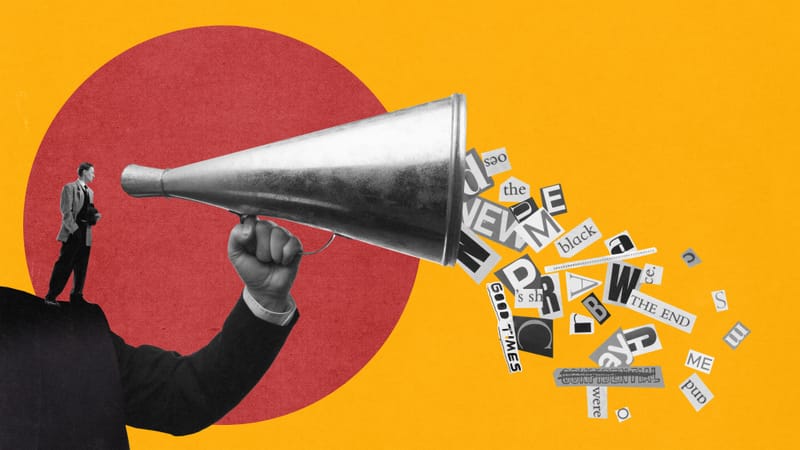


 Wat hulle doen, is om 'n narratief te bou sonder om die gevaarlike woord self te gebruik. Hulle praat van "elemente van volksmoord" en "getekende geweld teen wit boere". Internasionaal word dit verkoopas 'n krisis, met toere na die VSA waarvoor lede duisende rand opdok, onderhoude op Fox News, en selfs gesprekke met Donald Trump en Elon Musk of hul raadgewers.


 Die waarheid is eenvoudig: daar is geen volksmoord nie. Daar is 'n ernstige misdaadkrisis. En daar is organisasies wat, deur ontkenning en semantiek, 'n vals en gevaarlike narratief laat voortleef.